Choosing a Vase
Consider what you intend to display, where the vase will sit and how its proportions relate to the surrounding objects and furniture. Height, opening and overall form can influence how flowers or foliage sit within a vase, while material and colour determine how it relates to the wider room. Some vases are shaped around the practical arrangement of flowers, while others place greater emphasis on their sculptural form. Consider whether the vase will usually hold flowers or whether it also needs to work as an object when empty.
Ceramic and Porcelain Vases
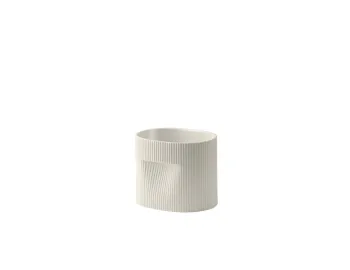
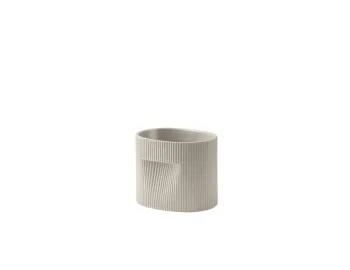
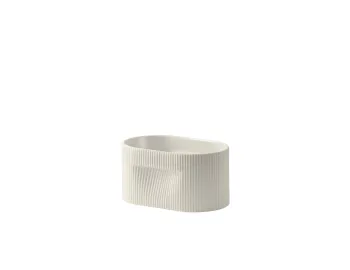
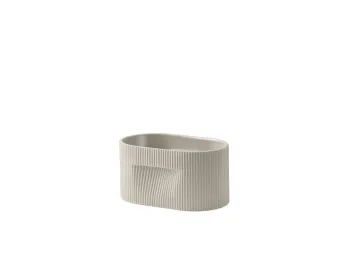
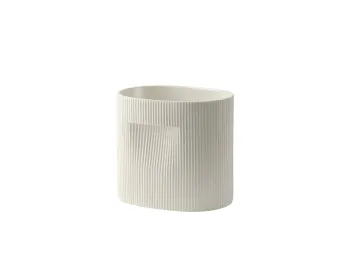
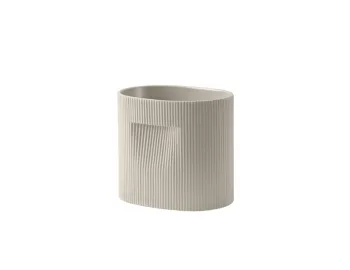
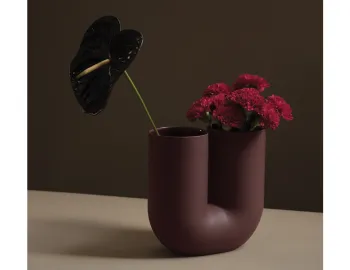
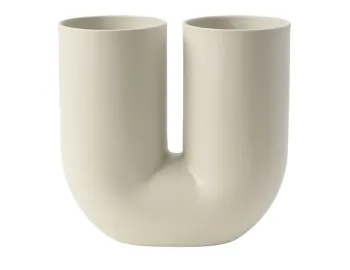
Ceramic and porcelain allow for a wide range of shapes, surface treatments and colours. From smooth glazed finishes to more tactile forms, these materials can give a vase a distinct presence on a dining table, console, shelf or sideboard. Look beyond colour alone and consider silhouette, surface and scale. A more expressive ceramic vase can become a focal point, while a restrained form can sit comfortably alongside books, lighting and other objects.
Glass Vases
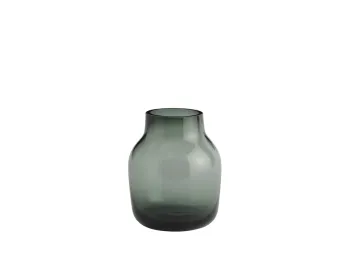
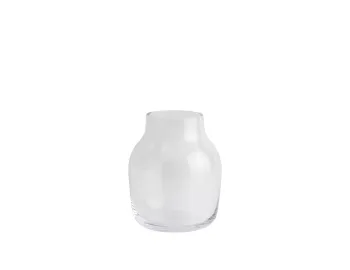
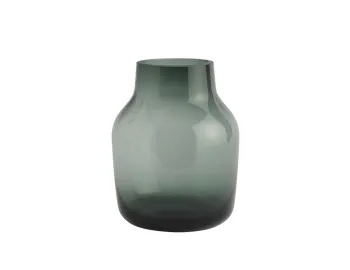
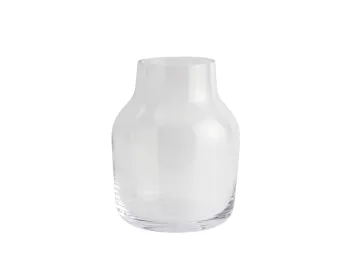
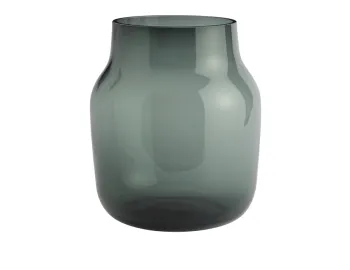
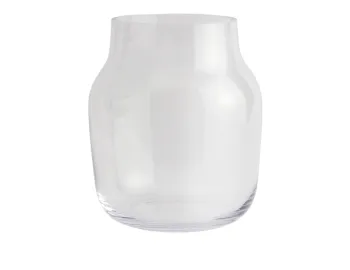
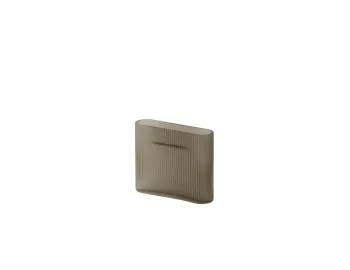
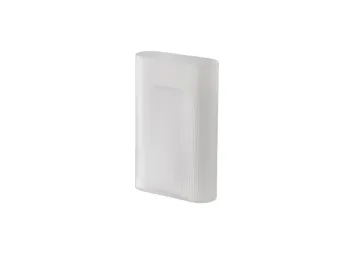
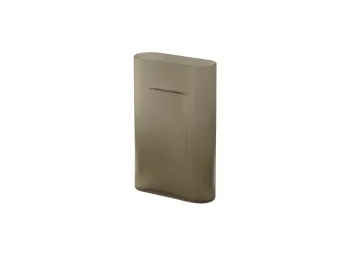
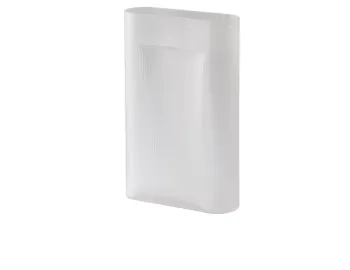
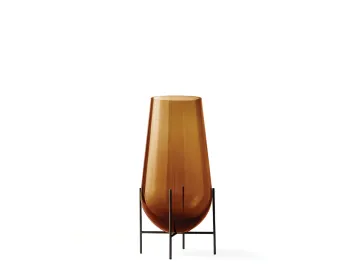
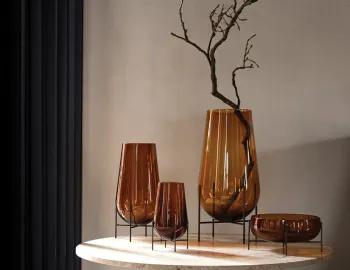
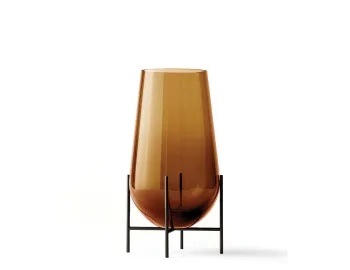
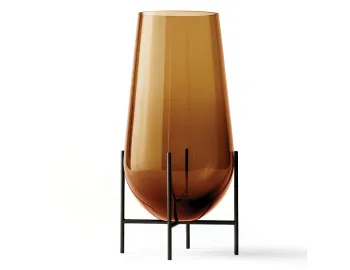
Glass introduces transparency, colour and a different interaction with light. Clear and translucent finishes can reveal stems and water as part of the arrangement, while frosted and coloured glass place greater emphasis on the shape and surface of the vase itself. Consider the surrounding materials when choosing glass. Its reflective qualities can create contrast alongside timber, stone, textiles and more tactile finishes.
Sculptural Vases
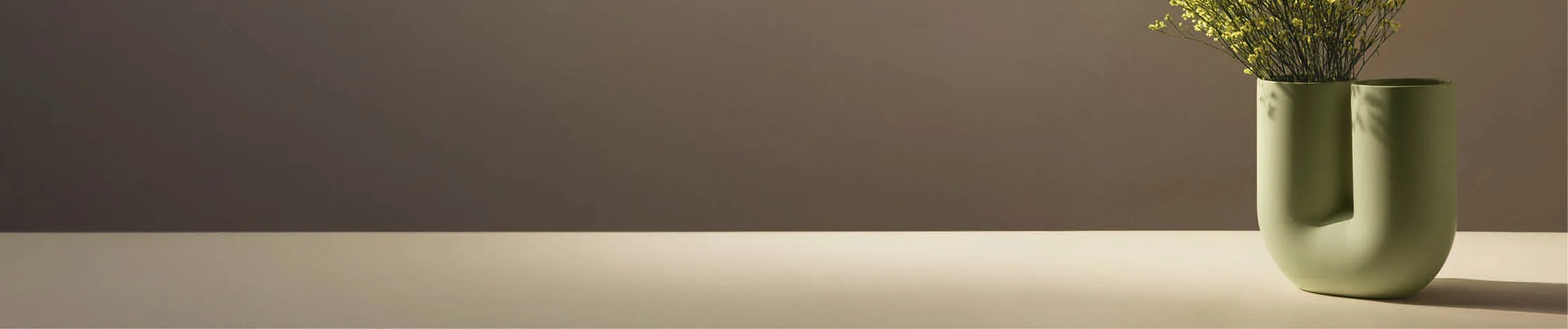
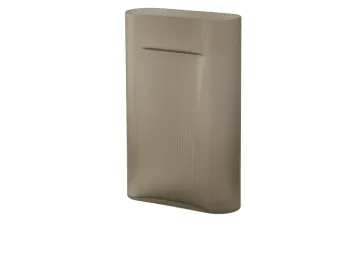
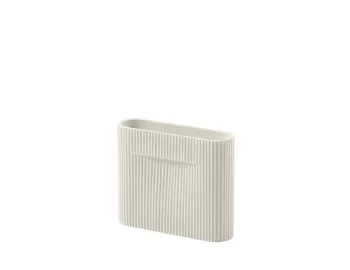
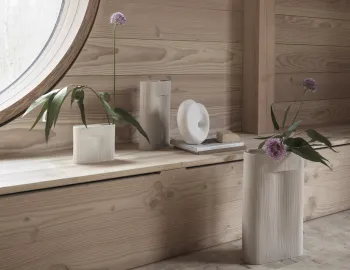
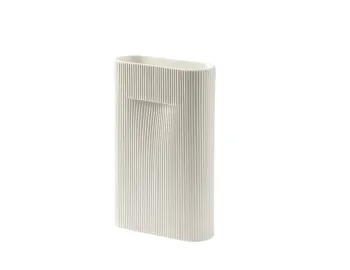
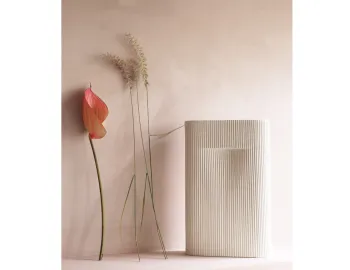
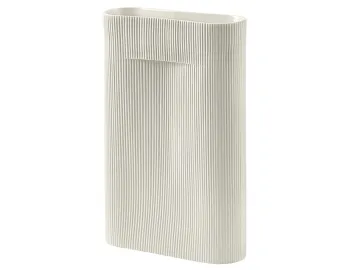
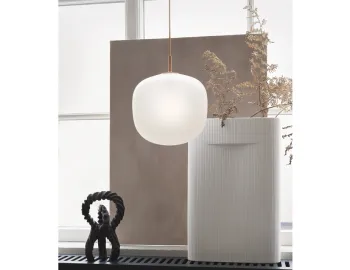
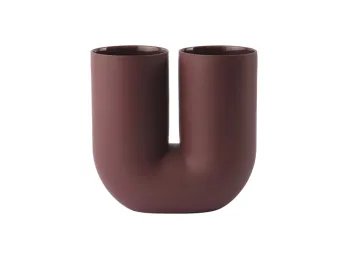
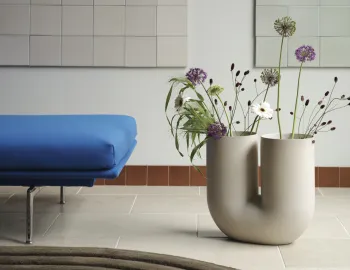
A vase does not need to disappear when the flowers do. Distinctive silhouettes, unusual openings and expressive surfaces allow some pieces to function as decorative objects in their own right. Muuto’s vase collection, for example, includes designs that reconsider familiar vase forms through proportion, texture and unexpected details. Pieces can be displayed individually or grouped with other Homewares to build a more layered arrangement.
Where to Display a Vase
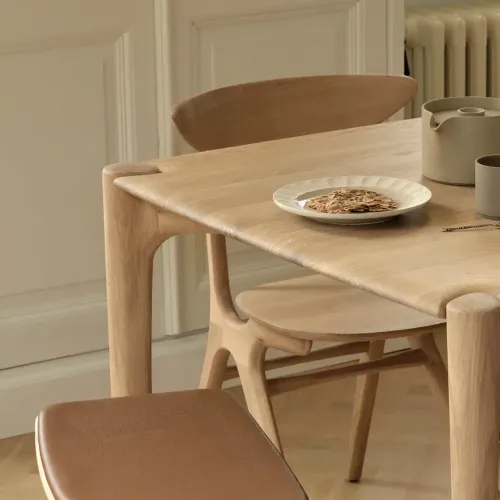
Vases can be positioned across dining tables, coffee tables, consoles, sideboards and shelving. Consider the viewing angle and surrounding objects as well as the vase itself. Taller forms may benefit from more open space around them, while smaller vases can be combined with books, bowls and other objects. For dining settings, explore Huset’s Dining Tables and Tableware collections alongside vases for the table.
Explore Vases in Melbourne
Shop vases online or visit Huset’s Cheltenham showroom to experience selected forms, materials and finishes. If you would like to view a particular vase, contact our team before visiting to confirm its current showroom availability.
Frequently Asked Questions
Consider the height and volume of the flowers, the length of their stems and the size of the vase opening. The proportions of the vase should provide appropriate support while allowing the arrangement to sit naturally.
Ceramic and porcelain vases can offer more opaque colour, texture and sculptural surface treatments. Glass can introduce transparency, reflection or translucency. The better choice depends on the flowers, surrounding materials and desired appearance.
Yes. Vases with distinctive forms, materials or surface details can also be displayed as decorative objects when empty.
Vases can work on dining tables, coffee tables, consoles, sideboards and shelving. Consider the scale of the surface, sightlines through the room and the objects positioned around the vase.
Consider the dimensions of the table and whether the vase will remain in place while dining. Lower or more compact arrangements can help maintain sightlines across the table, while larger pieces may work as a focal point when the table is not in use.
Care depends on the material and finish. Follow the individual product instructions, particularly for cleaning ceramic, porcelain or glass surfaces and handling more delicate forms.
Popular Categories

Selected for Spring