
Choosing a Floor Lamp
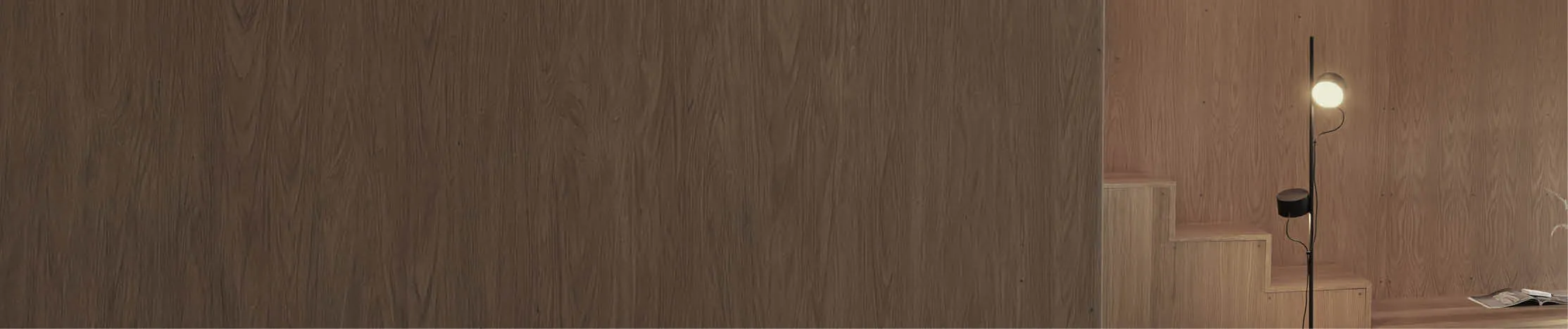
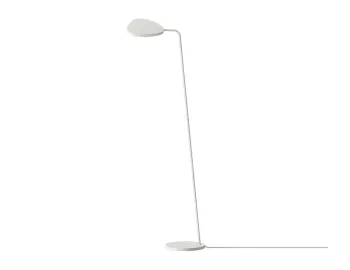
A floor lamp provides a flexible source of light while introducing height and form into a room. Start by considering what you need the lamp to illuminate and where it will be positioned, then look at its dimensions, light direction and relationship with surrounding furniture. The footprint is particularly important beside sofas and lounge chairs or in smaller rooms. Check both the base dimensions and the overall reach of the lamp to understand how much space it will occupy.
Floor Lamps for Living Rooms
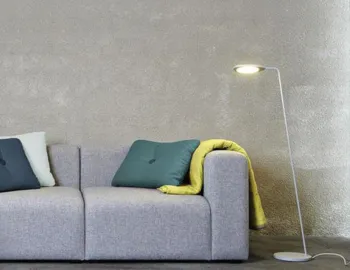
Floor lamps can introduce light beside a sofa, lounge chair or within an otherwise darker area of a living room. Their position can help define a reading corner or provide a lower source of light when overhead lighting is not required. Consider how the lamp relates to the height and scale of nearby seating. A more directional design can focus light towards a particular area, while a diffused source can contribute more broadly to the atmosphere of the room.
Floor Lamps for Reading
For reading, look at where the light is directed rather than choosing by appearance alone. The lamp should illuminate the reading area comfortably from its intended position beside or behind the chair. Adjustable fittings can provide greater control over the direction of light, while fixed designs require more consideration of placement. The individual product specifications will indicate whether a lamp offers adjustable elements.
Floor Lamps for Bedrooms
A floor lamp can provide an alternative to a bedside or wall-mounted light, particularly where additional illumination is needed beside a chair, dresser or another part of the bedroom. Because it does not require a tabletop, a floor lamp can also introduce light where surface space is limited. Consider the available floor area and access to power when deciding where it will sit.
Material, Form and Placement
A floor lamp remains a substantial object within the room even when it is switched off. Consider its material, finish and silhouette alongside the furniture and architecture around it. It does not need to match other lighting exactly. A relationship in material, colour or proportion can create continuity, while a contrasting form can give the lamp greater definition within the space.
Layering Floor Lamps with Other Lighting
Floor lamps can work alongside Pendant Lights, Table Lamps and Wall Lights to create different sources of light throughout a room. Using lighting at different heights allows individual areas to be illuminated independently and gives greater control over the atmosphere as the room moves between different uses.
Explore Floor Lamps in Melbourne
Shop floor lamps online or visit Huset’s Cheltenham showroom in Melbourne to experience selected lighting, materials and finishes. If you would like to see a particular floor lamp, contact our team before visiting to confirm its current showroom availability.
Frequently Asked Questions
Consider where the lamp will sit, what it needs to illuminate and how much floor space is available. Height, base dimensions and the direction of light are particularly important when comparing different designs.
Floor lamps commonly work beside sofas and lounge chairs, in reading areas or in parts of the room that need an additional source of light. Position depends on the furniture layout and the way the lamp distributes light.
Look for a floor lamp that directs sufficient light towards the reading area. Adjustable designs can provide more control over the position of the light, although a well-positioned fixed lamp can also work effectively.
Yes. Consider the height of the sofa, the lamp's footprint and where the light will fall when seated. Make sure the base and any projecting parts do not interfere with movement around the sofa.
Yes. Floor lamps can provide additional light beside a chair, dresser or other part of the bedroom and can be useful where a table lamp or fixed wall light is not suitable.
No. Different lighting can work together without matching exactly. Look for relationships between material, colour, proportion or form rather than requiring every fitting to come from the same collection.
Popular Categories

Selected for Spring