
Choosing Wall Lights
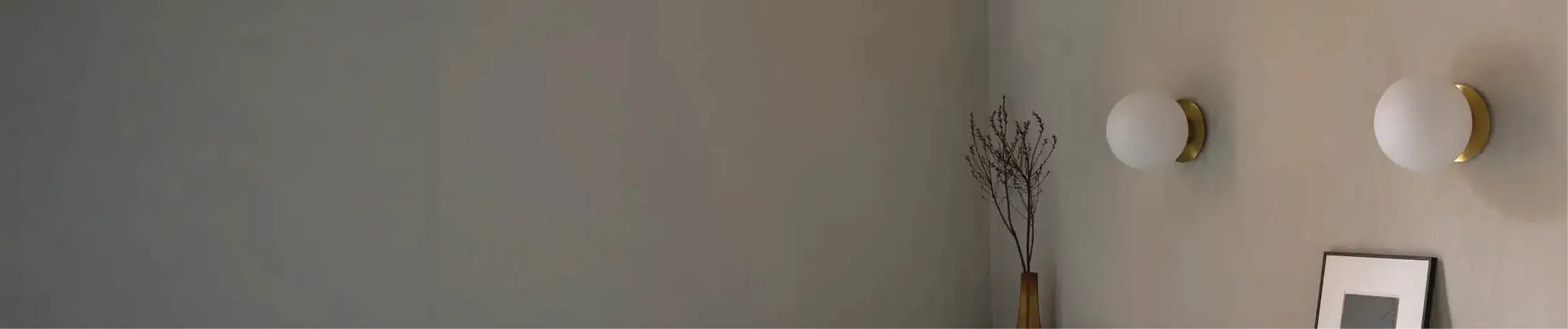
Wall lights provide illumination without requiring floor or table space, making them useful across bedrooms, living areas, hallways and other parts of the home. Start by considering what the light needs to do, then look at its position, direction and relationship with the surrounding furniture and architecture. A directional wall light can provide more focused illumination, while a diffused fitting can contribute softer light to the wider space. The form of the fitting and the way it projects from the wall are also important when deciding where it will sit.
Wall Lights for Bedrooms
Positioned beside a bed, wall lights can free up space on the bedside table while keeping light within easy reach. They can be used individually or as a pair, depending on the room layout and how the bed is positioned. Consider the height of the bed and Bedside Tables, the direction of the light and whether the fitting needs to support reading or provide softer ambient illumination.
Wall Lights for Living Spaces
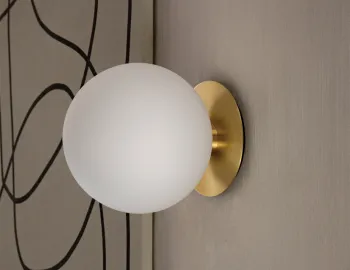
Wall lighting can introduce another layer of illumination alongside ceiling, floor and table lights. Positioned beside seating, above furniture or against an otherwise darker wall, it can draw light into specific areas without adding another piece to the floor. Consider how the fitting looks against the wall when both switched on and off. Material, colour and projection all contribute to its relationship with the surrounding space.
Wall Lights for Hallways and Smaller Spaces
Where floor space is limited, wall-mounted lighting can provide illumination while keeping circulation areas clear. This makes wall lights particularly useful through hallways, entrances and other narrower parts of the home. Placement is important in these spaces. Check the dimensions of the fitting, including how far it projects from the wall, and consider its position in relation to doors, furniture and movement through the area.
Wall Lamps, Sconces and Directional Lighting
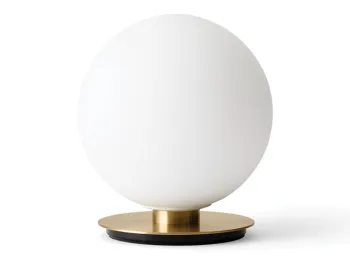
Wall light, wall lamp and sconce are terms used for closely related forms of wall-mounted lighting. Individual designs vary considerably, from compact fittings that sit close to the wall to adjustable lamps that direct light towards a particular area. Rather than choosing by terminology alone, consider the light output, dimensions, installation requirements and whether the fitting can be adjusted after installation.
Layering Wall Lights with Other Lighting
Wall lights can work alongside Pendant Lights, Table Lamps and Floor Lamps to provide light at different heights throughout a room. This approach allows individual areas to be illuminated independently and provides more flexibility than relying on a single central light source.
Explore Wall Lights in Melbourne
Shop wall lights online or visit Huset’s Cheltenham showroom in Melbourne to experience selected lighting, materials and finishes. If you would like to see a particular wall light, contact our team before visiting to confirm its current showroom availability.
Frequently Asked Questions
Consider where the light will be installed, what it needs to illuminate and how much it projects from the wall. Light direction, dimensions, controls and installation requirements can all influence which fitting is suitable.
Position depends on the room, the fitting and its intended use. Consider where the light needs to fall, surrounding furniture, sightlines and how people move through the space rather than applying one standard mounting height.
Yes. Wall lights can provide bedside illumination while leaving the bedside table clear. Consider their position in relation to the mattress, whether they need to support reading and how easily the light can be controlled from the bed.
The terms overlap and are often used interchangeably. Wall light is the broadest term, while wall lamp and sconce can describe particular forms of wall-mounted lighting. Product dimensions and function are more useful when comparing individual fittings.
Installation requirements vary by product. Some wall lights require a fixed electrical connection, while others may use a cable and plug. Check the individual product specifications before purchase and use an appropriately qualified electrician where required.
It depends on the room, the number of fittings and their light output. Wall lights are often used alongside other light sources to provide ambient, focused or supplementary illumination rather than as the only source of light.
Popular Categories

Selected for Spring