



Choosing a Pendant Light
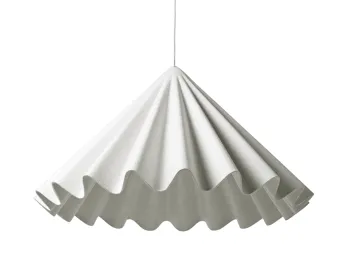
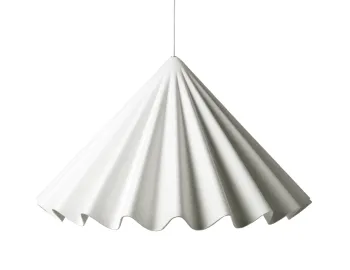
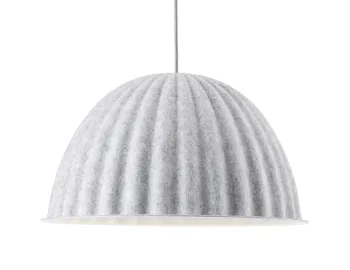
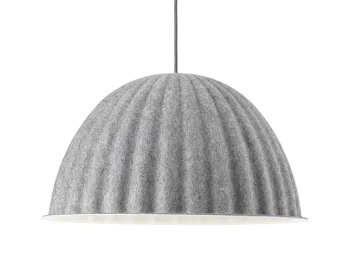
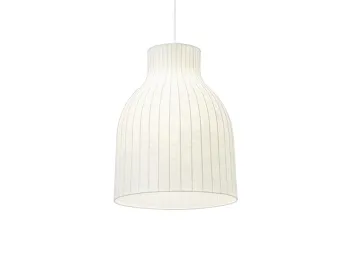
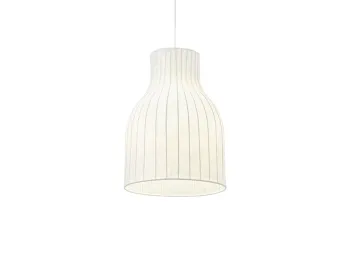
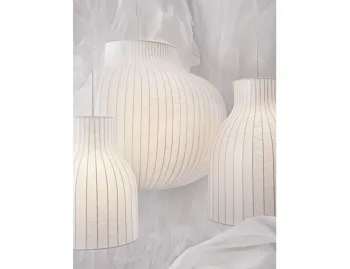
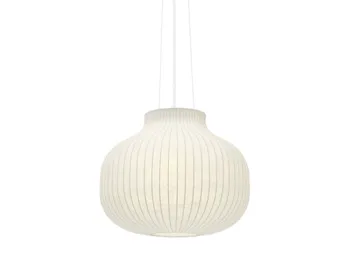
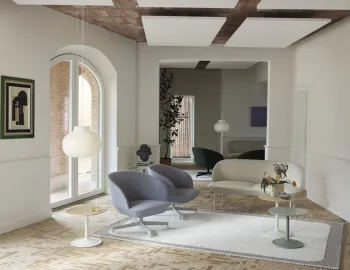
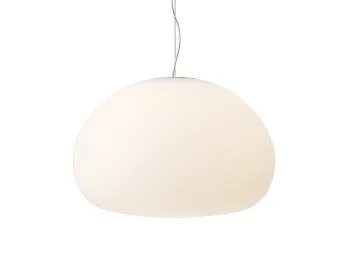
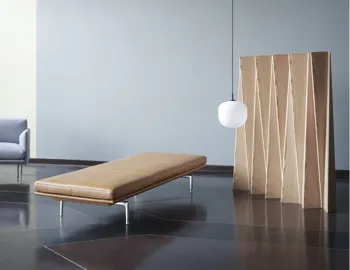
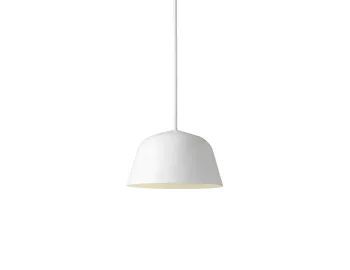
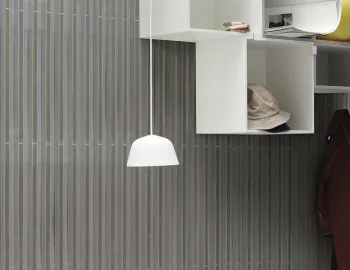
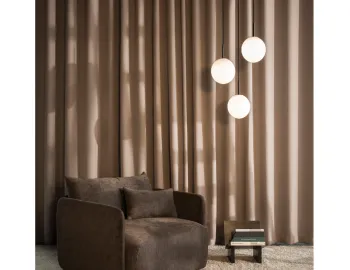
A pendant light is suspended from the ceiling, making its height, scale and position important to both the light it provides and how it sits within the room. Start with where illumination is needed, then consider the proportions of the space and any furniture below. A larger pendant can establish a strong focal point, while smaller fittings can be used individually or in multiples. The material and shape of the shade will also influence how light is distributed and how the fitting appears when switched off.
Pendant Lights for Dining Tables
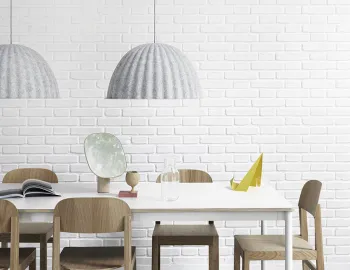
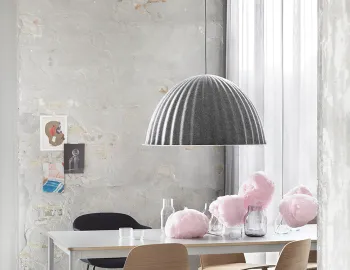
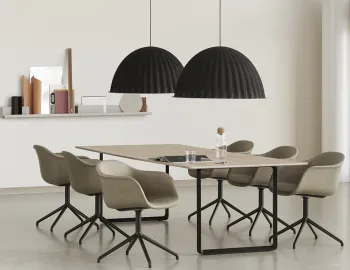
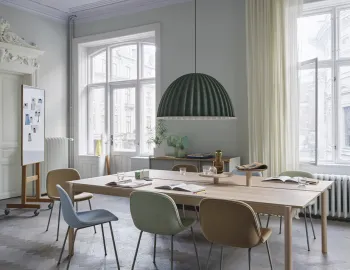
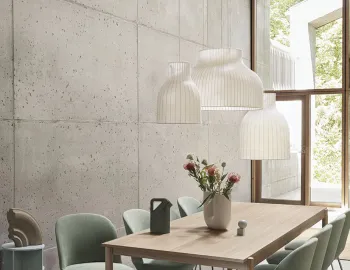
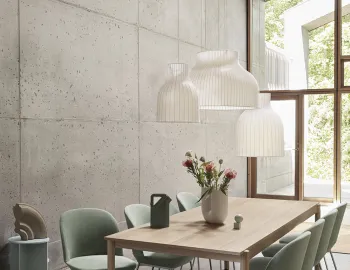
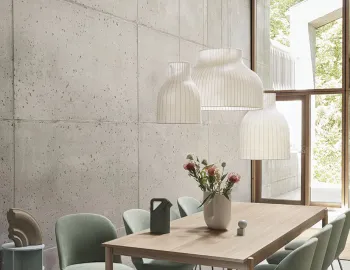
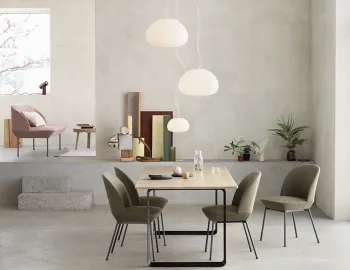
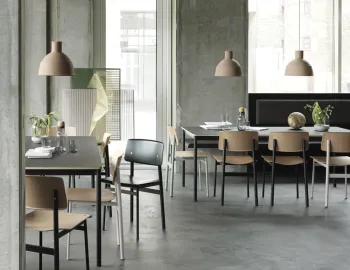
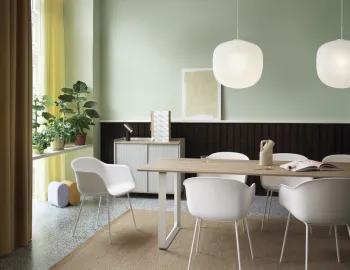
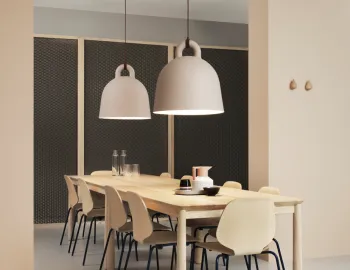
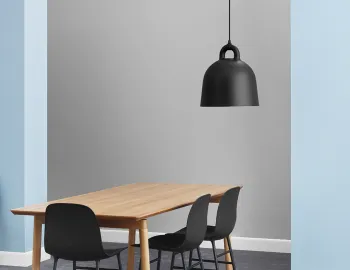
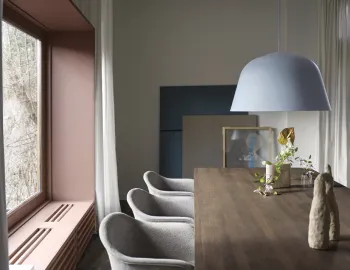
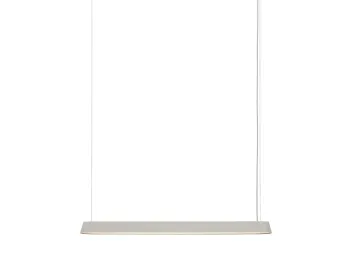
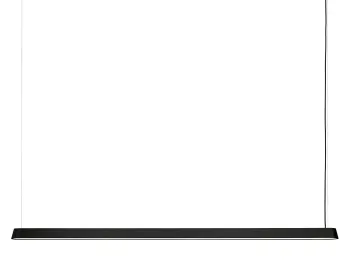
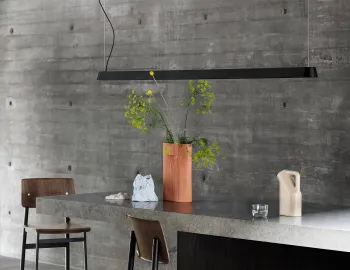
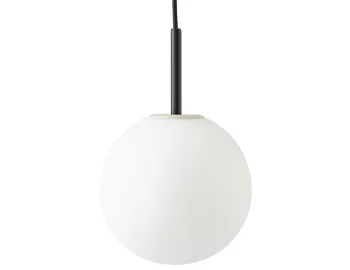
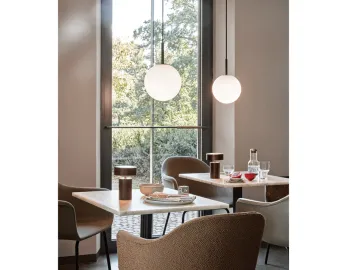
A pendant above a dining table can help define the dining area while directing light towards the surface below. Consider the shape and length of the table when choosing the proportions of the fitting. Linear pendants can respond well to longer rectangular tables, while a single pendant or grouped arrangement can work above round and smaller dining tables. The aim is to create a relationship between the light and table without obstructing views across the space.
Pendant Lights for Kitchen Islands
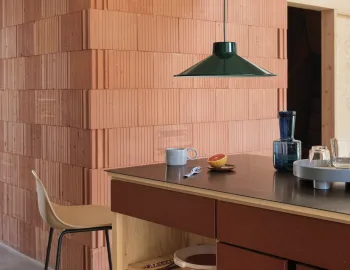
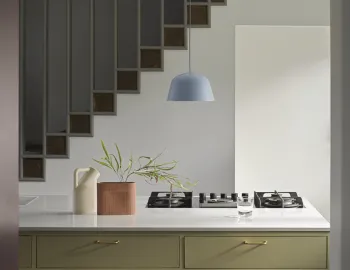
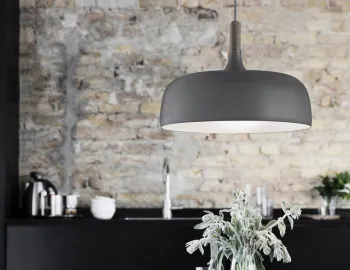
Kitchen islands often benefit from more focused overhead lighting, particularly where the surface is used for food preparation, dining or gathering. A linear pendant can provide illumination across a longer surface, while a series of smaller pendants can create rhythm along the island. Consider the width and length of the island, ceiling height and surrounding lighting before deciding on the number and scale of pendants.
Materials, Colour and Form
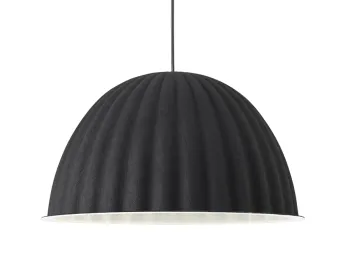
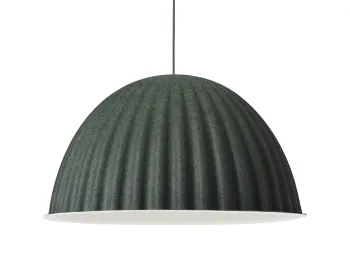
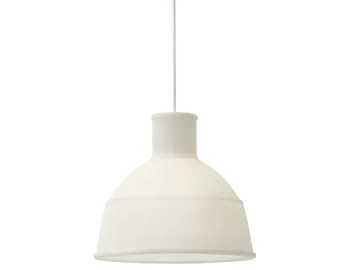
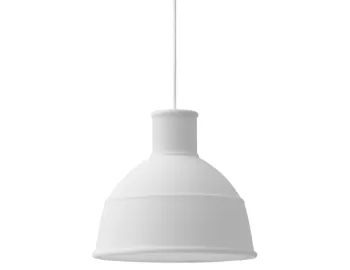
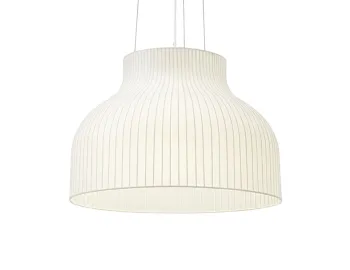
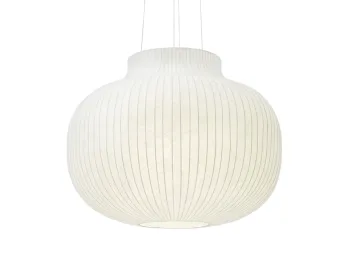
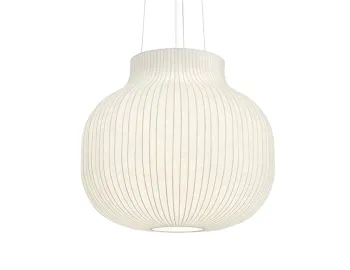
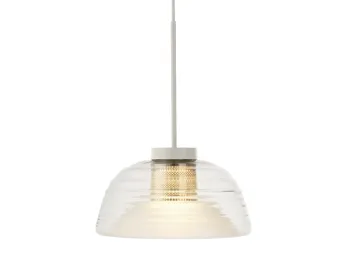
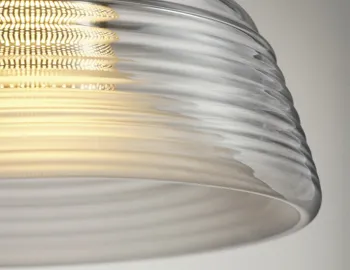
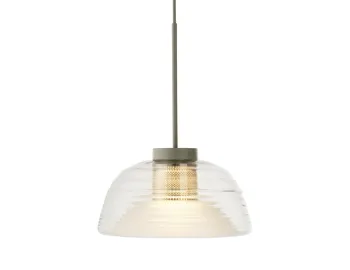
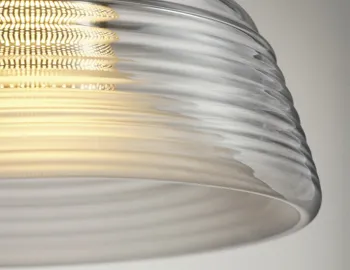
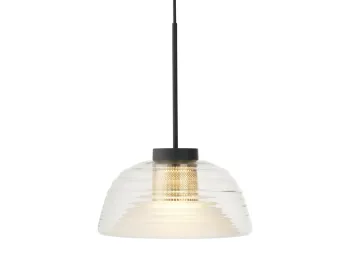
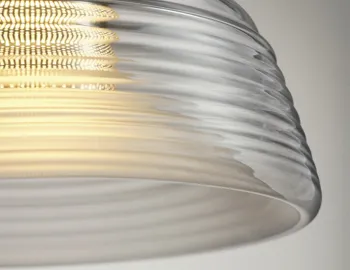
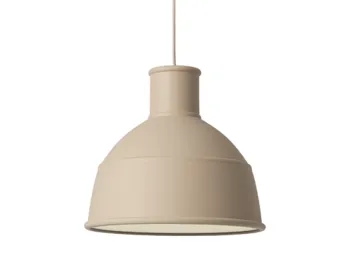
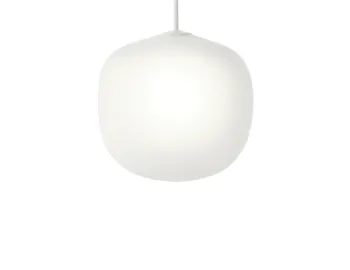
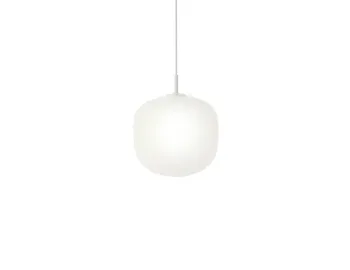
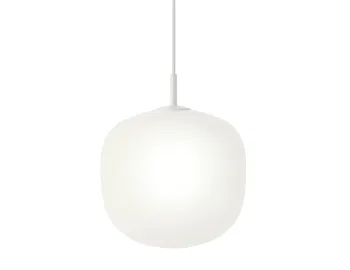
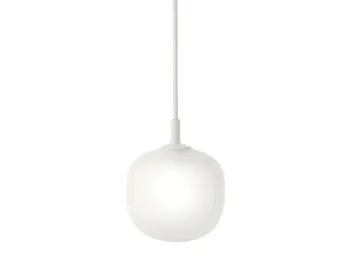
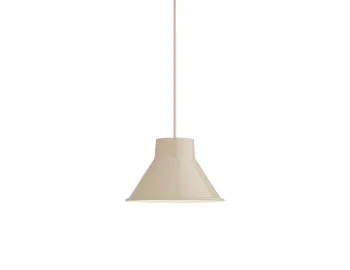
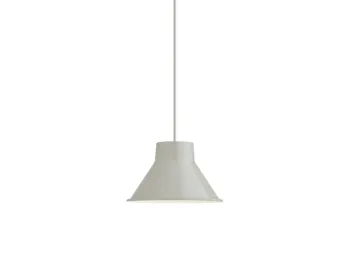
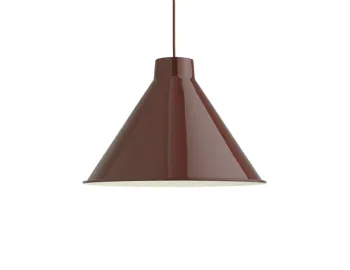
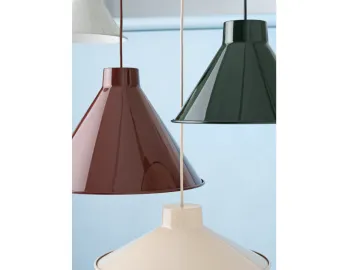
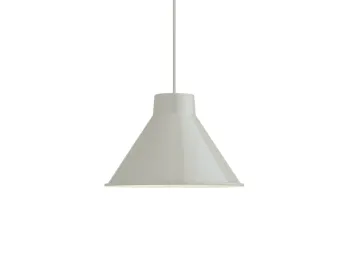
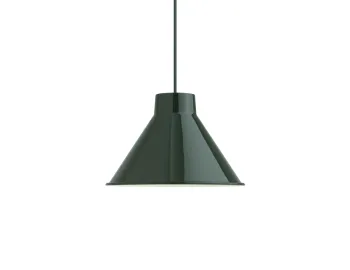
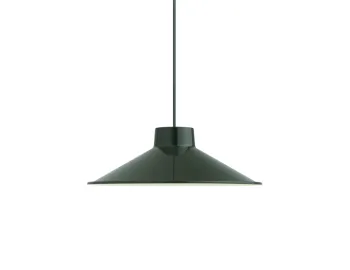
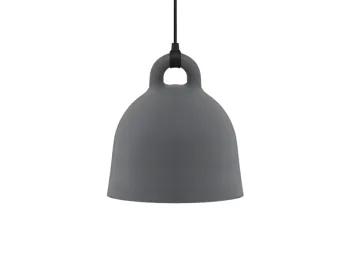
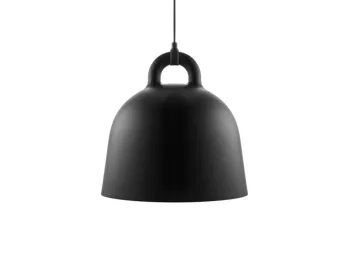
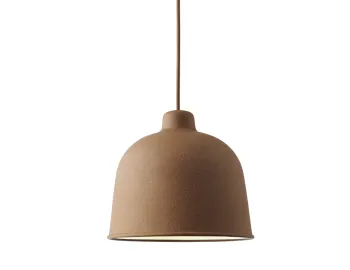
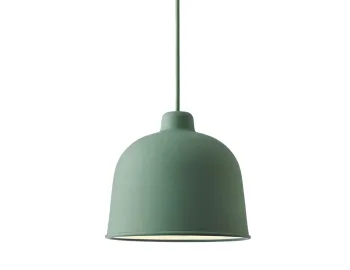
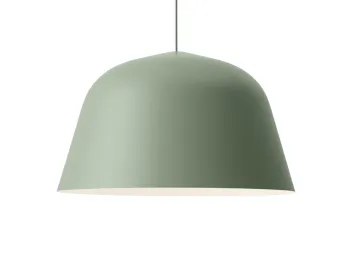
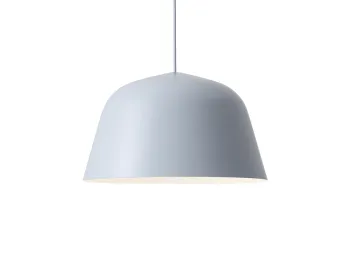
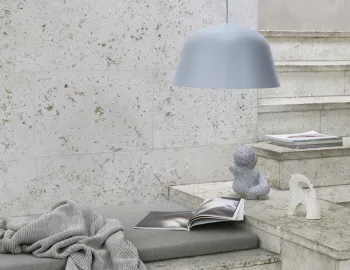
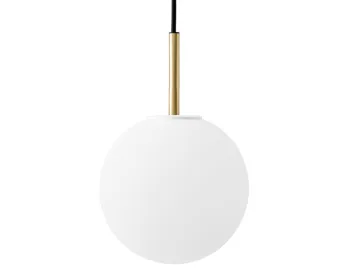
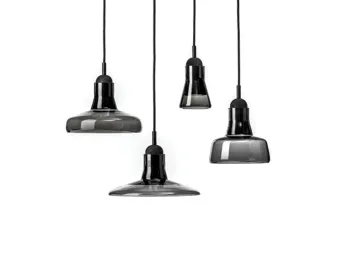
Pendant lighting introduces material at eye level, making the finish an important part of the room. Huset’s collection explores metal, glass and other materials across different colours, profiles and approaches to light. Rather than choosing a pendant in isolation, consider its relationship with furniture, surfaces and other lighting within the room. A contrasting material or colour can give the fitting greater definition, while related finishes can create continuity across the space.
Layering Pendant Lighting
A pendant does not need to provide every type of light within a room. Combining overhead lighting with Table Lamps, Floor Lamps or Wall Lights allows different areas and activities to be illuminated independently. This layered approach also provides greater control over atmosphere, allowing the balance of light to change throughout the day and evening.
Explore Pendant Lights in Melbourne
Shop pendant lights online or visit Huset’s Cheltenham showroom in Melbourne to experience selected lighting, materials and finishes. If you would like to see a particular pendant light, contact our team before visiting to confirm its current showroom availability.
Frequently Asked Questions
Consider the size of the room and the furniture or surface below the pendant. A fitting should have enough presence for the space without overwhelming the area or obstructing sightlines.
The appropriate height depends on the fitting, ceiling height and proportions of the room. It should provide useful light over the table while allowing comfortable views across it. Always follow the manufacturer's installation requirements for the individual pendant.
Consider the length and width of the island, ceiling height and how the surface is used. A linear pendant can distribute light along a longer island, while several smaller pendants can be spaced across the surface.
There is no fixed number. The right arrangement depends on the size of the island and the dimensions and light distribution of the pendants. One larger or linear fitting may work as well as several smaller pendants.
Yes. Pendant lights can provide overhead or bedside lighting in a bedroom, depending on their placement and light output. For bedside use, consider the height and position carefully so the fitting works comfortably alongside the bed.
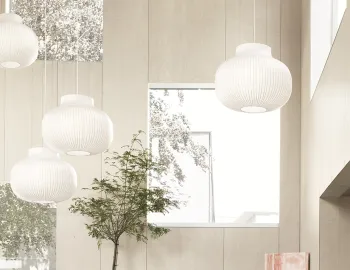
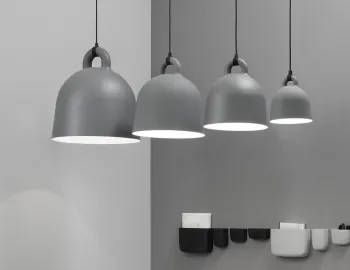
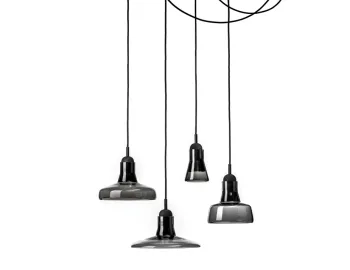
Yes. Multiple pendants can be grouped or arranged in a sequence. Consider spacing, scale and the relationship between the fittings so the arrangement works as a whole rather than as a series of unrelated lights.
Popular Categories


Selected for Spring